
This page is part of a series exploring the laws of God that could be obeyed only when the Temple was present in Jerusalem.
- Appendix 8a: The Laws of God That Require the Temple (This page).
- Appendix 8b: The Sacrifices — Why They Cannot Be Kept Today
- Appendix 8c: The Biblical Festivals — Why None of Them Can Be Kept Today
- Appendix 8d: The Purification Laws — Why They Cannot Be Kept Without the Temple
- Appendix 8e: Tithes and Firstfruits — Why They Cannot Be Kept Today
- Appendix 8f: The Communion Service — The Last Supper of Jesus Was Passover
- Appendix 8g: Nazarite and Vow Laws — Why They Cannot Be Kept Today
- Appendix 8h: Partial and Symbolic Obedience Related to the Temple
- Appendix 8i: The Cross and the Temple
Introduction
From the beginning, God established that certain parts of His Law would be carried out only in one specific place: the Temple where He chose to set His Name (Deuteronomy 12:5-6, 12:11). Many ordinances given to Israel — sacrifices, offerings, purification rituals, vows, and the duties of the Levitical priesthood — depended on a physical altar, on priests descended from Aaron, and on a system of purity that existed only while the Temple stood. No prophet and not even Jesus ever taught that these commandments could be transferred to another location, adapted to new circumstances, replaced with symbolic practices, or obeyed partially. True obedience has always been simple: either we do exactly what God commanded, or we are not obeying: “You must not add to or subtract from what I command you, but you should just keep the commandments of the Lord your God that I am giving you” (Deuteronomy 4:2. See also Deuteronomy 12:32; Joshua 1:7).
The Change in Circumstances
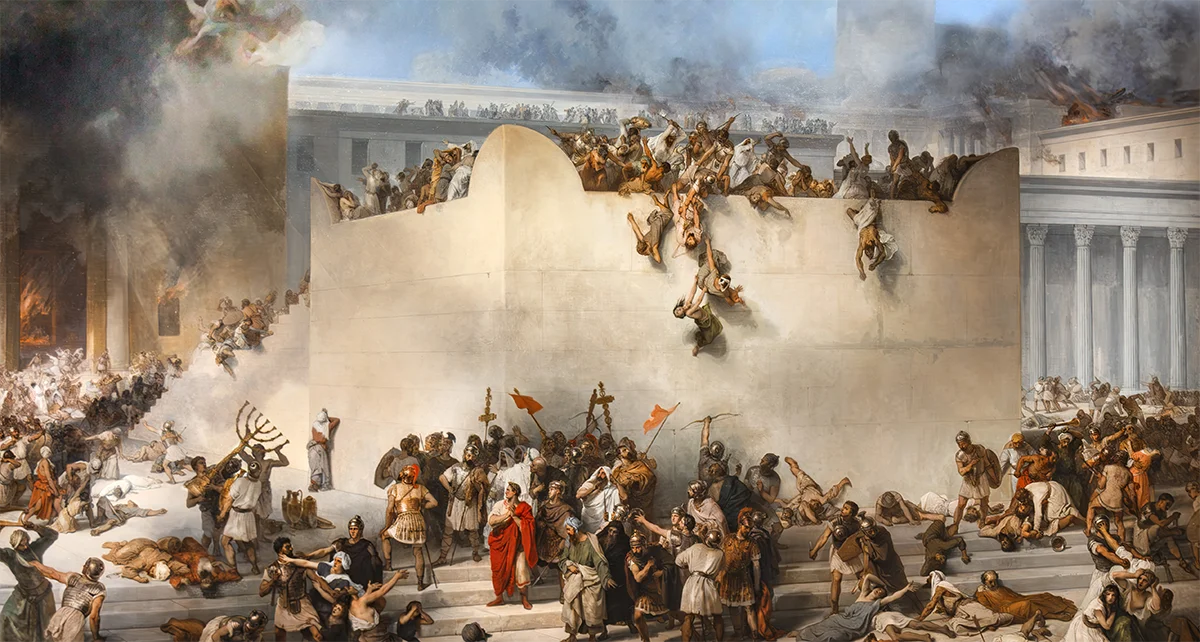
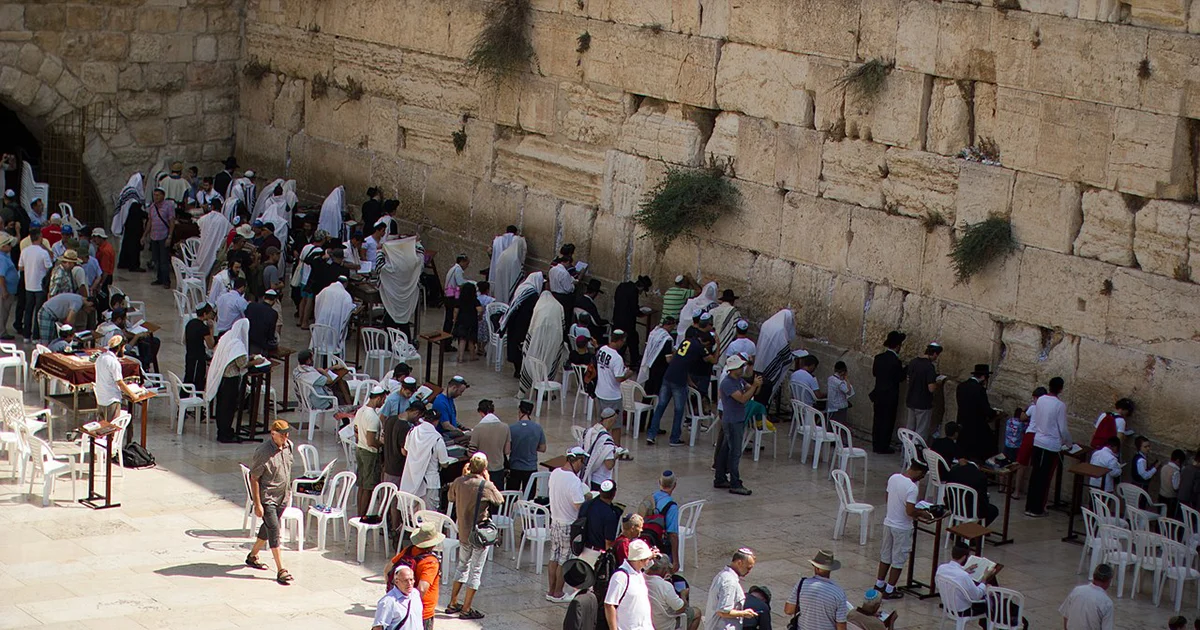
After the destruction of the Temple in Jerusalem in the year 70 A.D., the situation changed. Not because the Law changed — the Law of God remains perfect and eternal — but because the elements required by God to fulfill these specific commandments no longer exist. With no Temple, no altar, no consecrated priests, and no ashes of the red heifer, it becomes literally impossible to repeat what the generations of Moses, Joshua, David, Hezekiah, Ezra and the apostles obeyed faithfully. The issue is not unwillingness; the issue is impossibility. God Himself closed that door (Lamentations 2:6-7), and no human being has authority to invent another.
The Error of Invented or Symbolic Obedience
Even so, many Messianic movements and groups attempting to recover elements of Israelite life have created reduced, symbolic, or reinvented forms of these laws. They hold celebrations never commanded in the Torah. They invent “festival rehearsals” and “prophetic feasts” to replace what once required sacrifices, priesthood, and a holy altar. They call their creations “obedience,” when in reality they are only human inventions dressed in biblical language. The intention may appear sincere, but the truth remains unchanged: there is no such thing as partial obedience when God has specified every detail of what He required.
Does God Accept Our Attempts to Do What He Forbade?
One of the most harmful ideas circulating today is the belief that God is pleased when we “try our best” to obey the commandments that depended on the Temple, as if the Temple’s destruction happened against His will and we, through symbolic acts, can somehow offer Him comfort. This is a grave misunderstanding. God does not need our improvisations. He does not need our symbolic substitutes. And He is not honored when we disregard His exact instructions in order to create our own versions of obedience. If God commanded that certain laws be performed only in the place He chose, with the priests He appointed, on the altar He sanctified (Deuteronomy 12:13-14), then attempting to perform them elsewhere — or in another form — is not devotion. It is disobedience. The Temple was not removed by accident; it was removed by God’s decree. Acting as if we can recreate what He Himself suspended is not faithfulness, but presumption: “Does the Lord have as much delight in burnt offerings and sacrifices as in obeying the voice of the Lord? Behold, to obey is better than a sacrifice” (1 Samuel 15:22).
Purpose of This Series
The purpose of this series is to make this truth clear. We are not rejecting any commandment. We are not diminishing the importance of the Temple. We are not choosing which laws to obey or ignore. Our goal is to show exactly what the Law commanded, how these ordinances were obeyed in the past, and why they cannot be obeyed today. We will remain faithful to the Scriptures without additions, adaptations, or human creativity (Deuteronomy 4:2; 12:32; Joshua 1:7). Every reader will understand that today’s impossibility is not rebellion, but simply the absence of the structure God Himself required.
We begin, then, with the foundation: what the Law actually commanded — and why this obedience was possible only while the Temple existed.


